
What happened to you was real.
So is the path forward.
Specialized therapy and coaching for individuals healing from the trauma of intimate betrayal caused by their partner's out of control sexual behaviors, pornography use or infidelity — led by a therapist who has dedicated her career to supporting betrayed partners. Therapy in person in Mesa and online across Arizona; coaching available anywhere in the world.
Glowing reviews
The ground shifted
the moment you found out.
Betrayal trauma doesn't just hurt—it reorganizes your entire reality.
These are some of the ways it shows up.
The discovery
You found out — and your world collapsed in an instant. Nothing before that moment feels safe to trust anymore.

The replay
You can't stop cycling through it — the timeline, the lies, the moments you missed. Your mind keeps searching for the part that makes sense.

Questioning everything
You're second-guessing your own instincts. Was any of it real? How did you not see it? You don't trust yourself the way you used to.

No one around you gets it
The people who love you want to help, but they don't understand why you can't just decide and move on. The isolation makes everything heavier.

Stay or leave: both feel impossible
You're not sure what you want or what the right answer is. And the pressure to decide before you've had a chance to breathe is its own kind of pain.

The grief underneath the anger
You're grieving the relationship you thought you had, the future you planned, and a version of yourself that felt safe in the world. That's a real loss.
Betrayal trauma doesn't resolve on its own. The longer it goes without specialized support, the deeper the wound can go.
Your nervous system stays on high alert — scanning for threats, bracing for the next rupture. Trust in yourself and in your instincts erodes further. The grief cycles without anywhere to land. And the isolation of carrying this quietly takes its own quiet toll.
This isn't a character flaw. This is what happens when a profound wound doesn't get the specific kind of attention it requires.

Betrayal trauma therapy is different work.
Betrayal requires a specific kind of treatment, one that understands how this particular wound forms, where it lives in the body, and what the process of healing actually looks like. This isn't general couples counseling. It isn't standard talk therapy.
The work begins with stabilization. Helping you feel safer in your own nervous system, reducing the intensity of symptoms, and building the ground you need to make decisions from a place of clarity rather than panic.
From there, we go deeper — processing what happened, rebuilding trust in your own instincts, and reclaiming the parts of yourself that betrayal displaced.
When both partners want to rebuild, the work expands. Couples healing from betrayal requires its own framework, one that holds the betrayed partner's trauma while creating conditions for genuine repair. This means working on trust, attachment, and emotional safety together, at a pace the relationship can sustain.
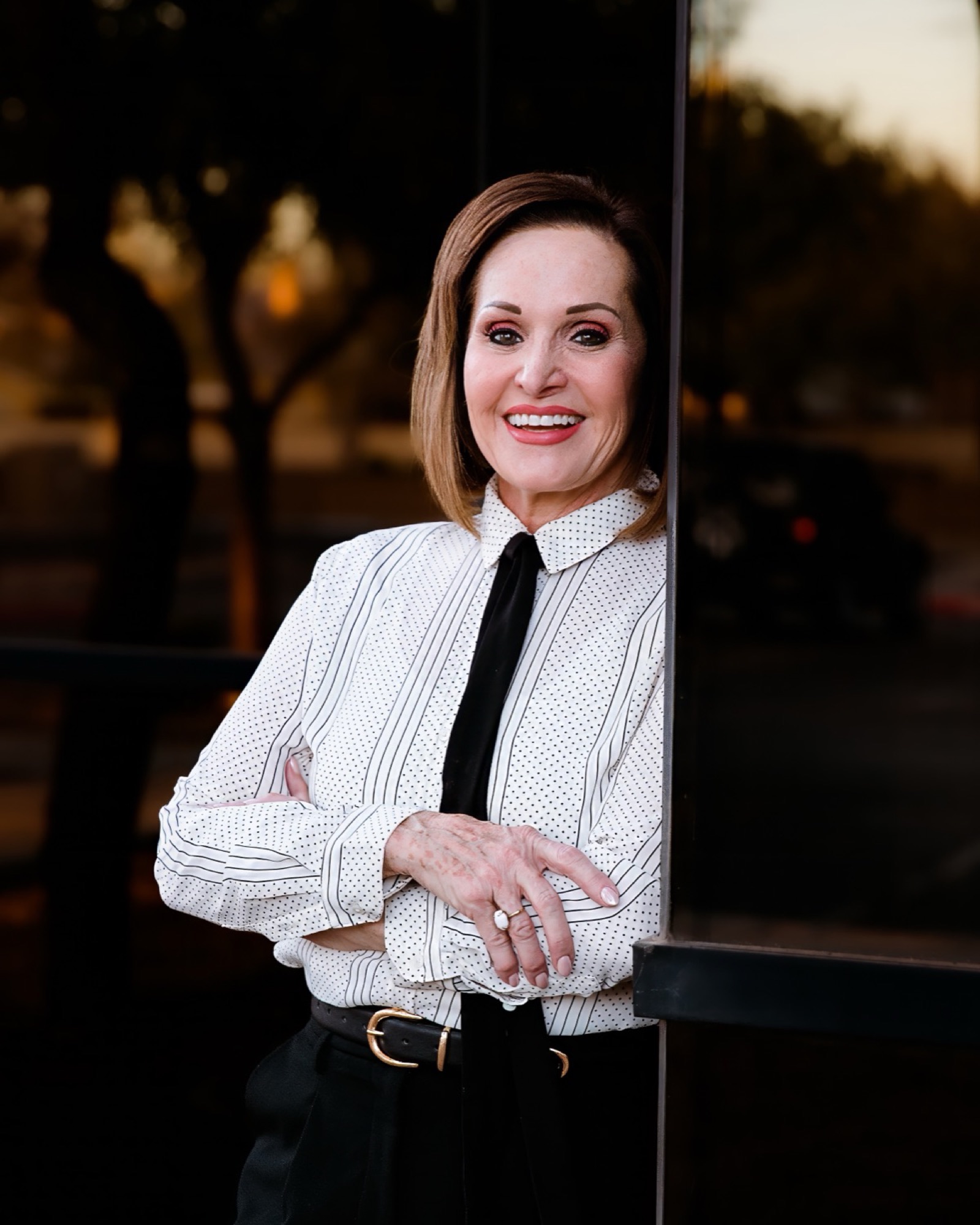
Debbie McRae
LPC · CSAT · Betrayal Coach · EMDR-CertifiedI'm a Licensed Professional Counselor and one of the country's Certified Sex Addiction Therapists (CSAT), a credential that requires advanced specialized training specifically in sexual addiction and its impact on partners, couples, and families. It's not a general therapy—it's focused specifically on understanding and treating the complexities of betrayal and relational rupture.
My work centers on helping women heal from the deep impact of betrayal—whether from their partner's infidelities, pornography use, or out-of-control sexual behaviors. I also specialize in working with couples who want to repair and rebuild their relationship after betrayal, guiding them through the process of healing the rupture in trust, attachment, and emotional safety.
I also run webinars through Seeking Integrity, a nationally recognized organization in the sexual addiction recovery field, and have worked with hundreds of betrayed partners navigating the same pain you're in right now.
"All stories of betrayal are different. The pain is the same."
There's a reason betrayal trauma requires a specialist.
A few things worth knowing before you decide.
The CSAT credential is rare and specific
There are only a few thousand CSAT-certified therapists in the country. This credential requires extensive post-graduate training in sexual addiction, its neurological underpinnings, and the partner trauma that follows. It's not a general certification.
A different framework: Prodependence
Rather than labeling betrayed partners as codependent, the Prodependence model recognizes that loving and depending on a partner is healthy — and that the trauma that follows betrayal deserves compassion, not a clinical label.
Healing doesn't have to happen alone
Beyond 1:1 sessions, there is a group pathway for women in betrayal recovery — structured support alongside others who understand. Community is part of how people heal from this kind of wound.
Body-based methods, not just conversation
Betrayal trauma lives in the nervous system, not just in thought. EMDR, Brainspotting, and ART are all body-based approaches that work at the level where this kind of wound actually resides.
What sessions actually look like.
Therapy for betrayal trauma isn't about reliving everything in painful detail. It's structured, progressive, and trauma-informed — meaning the work meets you where your nervous system actually is, not where you think you should be.
Stabilization first
Before anything else, we build your ability to regulate. Tools for your nervous system, safety within sessions, and a pace that doesn't retraumatize.
Trauma processing in your body
EMDR and Brainspotting work differently than talk therapy. They access where trauma is stored neurologically — without requiring you to narrate every detail.
Reclaiming your life
The final phase is about reclaiming — your instincts, your identity, your sense of what's possible for you. That includes your relationship with your own sexuality, your sense of self, and for those doing relational repair work, the possibility of rebuilding trust within the relationship.
Group support available
Individual therapy can be supplemented with group work, a structured space alongside other women in betrayal recovery. Being witnessed by people who understand is its own kind of healing.
Relational repair & attachment
For couples ready to rebuild, the work turns toward the relationship itself — restoring attachment, emotional safety, and trust between partners. Using the Early Recovery Couples Empathy Model, we create the conditions for genuine repair at a pace the relationship can sustain.


The path from here looks like this.
Four simple steps. No pressure, no commitment before you're ready.
Book a Free Call
A low-pressure 15 minutes to talk about what you're carrying, ask your questions, and see if this feels like the right fit.
Build Your Plan
Together we will map out what the work looks like for your specific situation in your first session—goals, pace, and what healing means to you.
Begin the Work
Weekly sessions in the early days of betrayal—using proven, trauma-informed methods. You'll start to feel the difference in your nervous system as you move out of crisis.
Reclaim Yourself
Trust returns—first in yourself, in your ability to heal, then in your instincts. You will build on a foundation that betrayal can't touch, one that supports post-traumatic growth.

In-Person and Telehealth Available
Therapy is available at the Mesa office or via secure telehealth across Arizona. For clients outside Arizona, Debbie offers coaching worldwide — she works with people across the USA and internationally, including Canada, Japan, China, Dubai, and Iceland.
Address
2500 S. Power Rd.Suite 222, Mesa, AZ 85209
Phone
480-255-8086Telehealth
Therapy across Arizona · Coaching worldwide
Scheduling
By appointment
Things people ask before reaching out.
If you have a question that isn't here, bring it to the free consultation.
You've been carrying this alone
long enough.
You don't have to decide anything today except whether to have a conversation. The consultation is free, there's no pressure, and you can ask anything you need to ask.
Message Me You are ready for recovery. Let me guide you on your healing journey.