
What happened between you doesn't have to be the end of your story.
Specialized therapy and counseling for couples navigating the aftermath of an affair or intimate betrayal — and for partners carrying the weight of betrayal alone. Led by a therapist who has dedicated her career to this specific kind of healing.
Glowing reviews
You thought you knew your partner
and the state of your relationship.
The discovery of an affair doesn't just damage the relationship — it rewrites your understanding of the past.
These are some of the ways couples and partners describe where they are right now.

The silence that followed
You're in the same house but miles apart. There's no road map for what to say or how to be around each other anymore.

Rewriting the past
You're going back through years of memories, wondering what was real. The timeline doesn't add up — and neither does your life as you understood it.

The impossible question
Stay or go. Neither answer feels right, and the pressure to decide before you've had time to grieve is its own kind of cruelty.

Shame on both sides
One of you is devastated. One of you is consumed by shame and doesn't know how to show up. Both of you are suffering — just differently — and shame on either side can block healing and repair.

Can trust ever come back?
You want to believe it's possible, but you can't stop scanning for the next sign of a lie. The hypervigilance is exhausting — and it won't stop on its own.

Carrying it alone
You can't tell your friends. Your family will pick sides. And so you carry something enormous in silence — with no one who truly understands what this is like.
Infidelity doesn't just wound the relationship. It wounds the sense of safety that made the relationship possible in the first place.
Without specialized support, couples get stuck in cycles. The betrayed partner stays in acute trauma — hypervigilant, triggered, unable to feel safe. The betraying partner doesn't know what accountability actually looks like, and often swings between defensiveness and overcompensation. The distance grows.
This isn't a failure of love. This is what happens when a profoundly complex wound tries to heal without the specific framework it requires.

Infidelity & intimate betrayal therapy is different work.
This isn't general couples counseling. It isn't standard talk therapy. Betrayal requires a specific kind of treatment, one that understands how this particular attachment wound forms, where it lives in the body, and what the process of healing actually looks like.
The work begins with stabilization — helping each partner feel grounded enough to stay in the process. The betrayed partner's trauma must be addressed first and held carefully throughout. At the same time, the betraying partner needs guidance on what genuine accountability and empathy looks like, not just apologizing, but showing up in the specific way that healing attachment requires.
For couples committed to repair, the work expands into rebuilding: restoring trust, healing the attachment rupture, and creating a foundation of emotional safety that can hold both partners. Many couples describe their relationship on the other side of this work as more honest and genuinely intimate than it was before the betrayal.
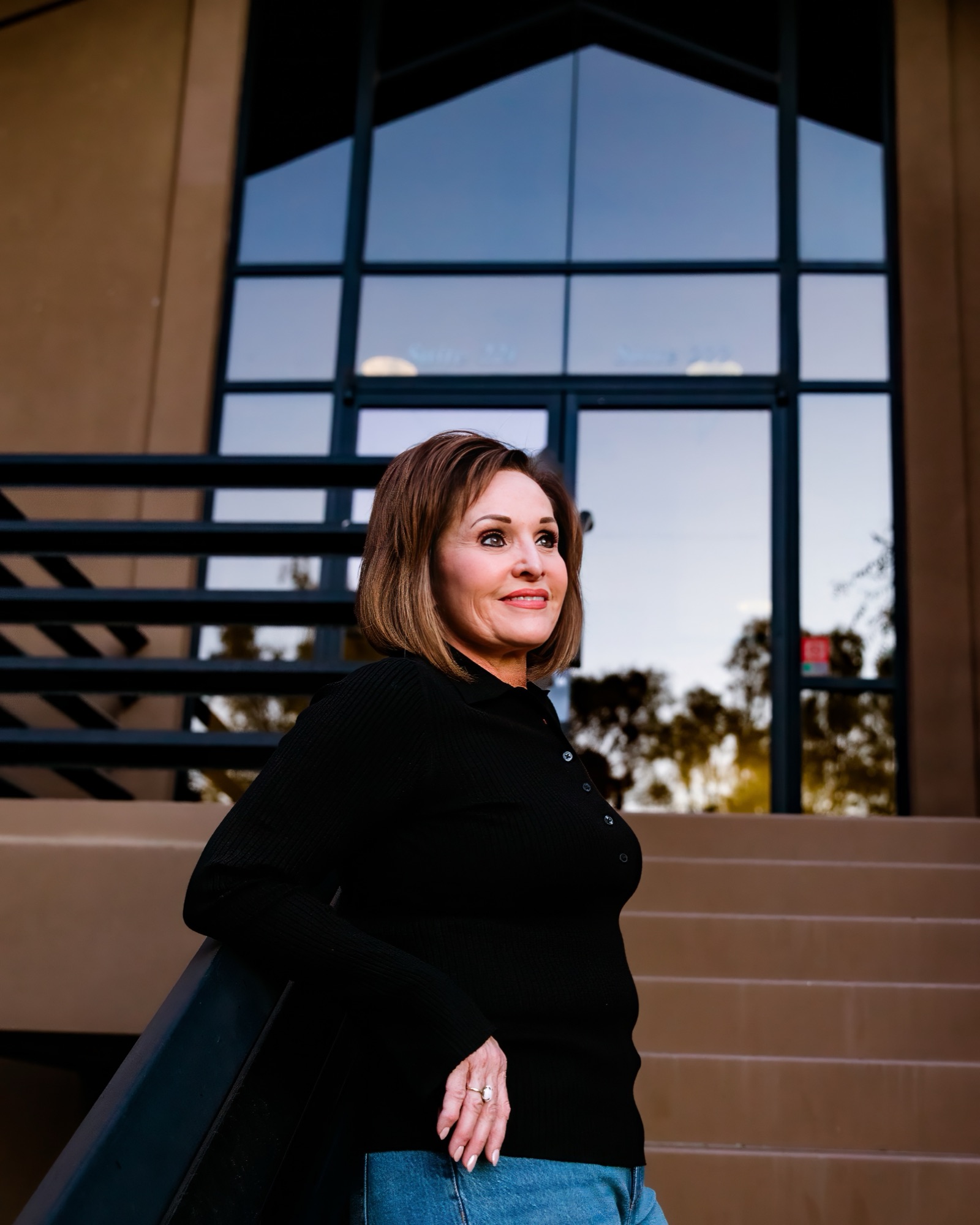
Debbie McRae
LPC · CSAT · Betrayal Coach · EMDR-CertifiedI'm a Licensed Professional Counselor and one of the country's Certified Sex Addiction Therapists (CSAT), a credential that requires advanced specialized training specifically in sexual addiction and its impact on partners, couples, and families. It's not a general therapy — it's focused specifically on understanding and treating the complexities of betrayal and relational rupture.
My work centers on helping women heal from the deep impact of betrayal — whether from their partner's infidelities, pornography use, out-of-control sexual behaviors or narcissistic abuse. I also specialize in working with couples who want to repair and rebuild their relationship after betrayal, guiding them through the process of healing the rupture in trust, attachment, and emotional safety.
I also run webinars through Seeking Integrity, a nationally recognized organization in the sexual addiction recovery field, and have worked with hundreds of betrayed partners navigating the same pain you're in right now.
"All stories of betrayal are different. The pain is the same."
There's a reason infidelity requires a specialist.
A few things worth knowing before you decide.
The CSAT credential is rare and specific
There are only a few thousand CSAT-certified therapists in the country. This credential requires extensive post-graduate training in sexual addiction, its neurological underpinnings, and the partner trauma that follows. It's not a general couples certification — it's built for exactly this kind of work.
A different approach: Prodependence
Rather than labeling betrayed partners as codependent, the Prodependence model recognizes that loving and depending on a partner is healthy — and that the trauma which follows betrayal deserves compassion, not a clinical label. This distinction changes everything about how healing is approached.
Therapy that holds both sides of the story
Infidelity and intimate betrayal creates two very different experiences happening at once. This practice is equipped to hold both — supporting the betrayed partner's trauma while helping the betraying partner develop the specific kind of accountability and presence that healing requires.
Body-based methods, not just conversation
Betrayal and infidelity trauma live in the nervous system, not just in thought. EMDR, Brainspotting, and ART are all body-based approaches that work at the level where this kind of wound actually resides. Talk therapy alone isn't enough.
What sessions actually look like.
Therapy for infidelity and intimate betrayal isn't about relitigating everything in painful detail. It's structured, progressive, and trauma-informed — meeting you and your nervous system exactly where you are, not where you think you should be.
Stabilization first
Before anything else, we build your ability to regulate. Safety within the sessions, tools for your nervous system, and a pace that feels supportive — for either partner.
Understanding the full picture
Part of the work involves identifying the accurate narrative with truth-telling, accountability, and creating the conditions where a betrayed partner can begin to trust what they're being told again.
Relational repair
For couples choosing to rebuild, the work expands into structured relational repair — focusing on empathy, restoring trust, healing the attachment rupture, and creating emotional safety between partners at a pace the relationship can sustain.
Reclaiming your life
This includes reclaiming your identity — your sense of what's possible and seeing a life of post-traumatic growth — whether that's in this relationship or in building a new chapter for yourself.
ERCEM Model
For couples ready to rebuild, we use the Early Recovery Couples Empathy Model, a structured approach that guides the partner who caused the betrayal toward empathy, accountability, and consistency, while helping the betrayed partner feel seen, validated, and gradually able to trust what's shown through action over time.


Here's what getting started looks like.
Four simple steps — no pressure, no decisions required before you're ready.
Book a Free Call
A low-pressure 15 minutes to talk about what you're carrying, ask your questions, and see if this feels like the right fit.
Build Your Plan
Together we will map out what the work looks like for your specific situation in your first session — goals, pace, and what healing means to you.
Begin the Work
Weekly sessions in the early days of betrayal — using proven, trauma-informed methods. You'll start to feel the difference in your nervous system as you move out of crisis.
Reclaim Yourself
Trust returns — first in yourself, in your ability to heal, then in your instincts. You will build on a foundation that betrayal can't touch, one that supports post-traumatic growth.

In-Person and Telehealth Available
Therapy is available at the Mesa office or via secure telehealth across Arizona. For clients outside Arizona, Debbie offers coaching worldwide — she works with people across the USA and internationally, including Canada, Japan, China, Dubai, and Iceland.
Address
2500 S. Power Rd., Suite 222Mesa, AZ 85209
Phone
480-255-8086Telehealth
Therapy across Arizona · Coaching worldwide
Questions couples ask before calling.
Bring anything that isn't answered here to the free 15-minute consultation.
You came this far together.
You don't have to figure out what's next alone.
Whether you're trying to repair, trying to decide, or just trying to survive right now — this is exactly the kind of work this practice is built for.
"You're not alone. Let's do this together."